
Exploring Innovations with P³ Systems

In the rapidly evolving landscape of industrial piping systems, precision and innovation are paramount. Industries such as semiconductors, pharmaceuticals, clean energy, specialty chemicals, and water treatment demand piping solutions that are not only reliable but also future-proof. This is where innovative P3 engineering systems come into play, offering cutting-edge design and engineering expertise tailored to high-purity thermoplastic and stainless steel piping systems.
The Role of Innovative P3 Engineering Systems in High-Purity Piping
Innovative P3 engineering systems focus on delivering detailed design solutions that meet stringent industry standards. These systems integrate advanced engineering principles with practical applications to ensure optimal performance and longevity. The core of these systems lies in their ability to handle complex piping requirements, including:
Material compatibility: Selecting the right thermoplastic or stainless steel materials to resist corrosion and contamination.
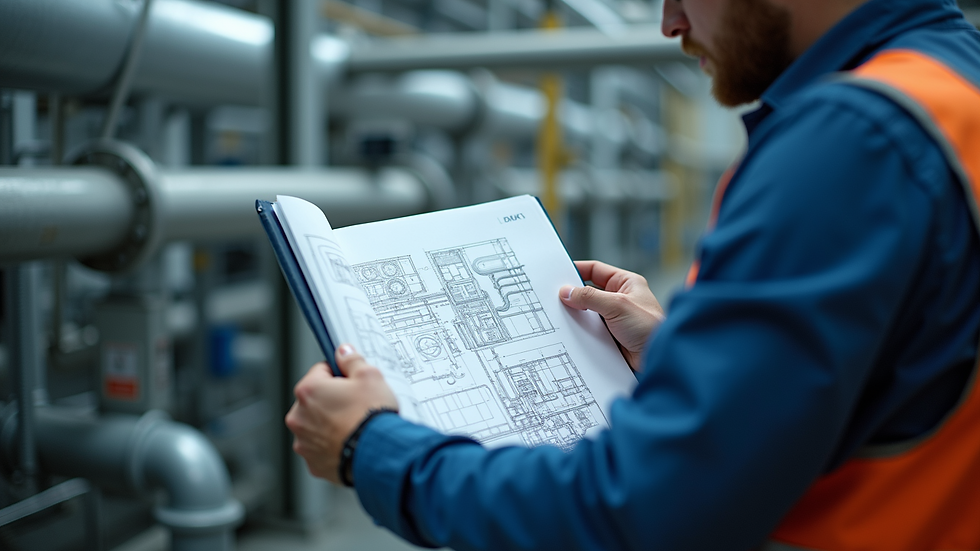
Precision fabrication: Utilizing state-of-the-art CAD and CAM technologies for accurate pipe routing and component fitting.
Compliance and standards: Adhering to international codes such as ASME BPE and ISO standards for high-purity systems.
By leveraging these capabilities, innovative P3 engineering systems enable seamless integration into existing infrastructure while supporting scalability for future expansions.

Key Innovations Driving Piping System Excellence
Several technological advancements have propelled innovative P3 engineering systems to the forefront of industrial piping design. These innovations address common challenges such as contamination control, system reliability, and maintenance efficiency.
Advanced Material Science
The use of specialized thermoplastics and stainless steel alloys enhances chemical resistance and mechanical strength. For example, fluoropolymer-based thermoplastics provide excellent inertness, making them ideal for pharmaceutical and semiconductor applications where purity is critical.
Modular Design and Prefabrication
Modular piping components allow for faster installation and reduced downtime. Prefabricated spool pieces and fittings are manufactured under controlled conditions, ensuring quality and reducing on-site errors.
Digital Twin and Simulation Technologies
Digital twin models simulate real-world operating conditions, enabling engineers to predict system behavior and optimize designs before physical implementation. This reduces risk and improves system reliability.

Practical Applications and Case Studies
To illustrate the impact of innovative P3 engineering systems, consider the following examples:
Semiconductor Fabrication Facilities: Implementing thermoplastic piping systems designed with precision CAD models has minimized particle contamination, enhancing yield rates.
Pharmaceutical Manufacturing: Stainless steel piping engineered with hygienic design principles has improved cleaning efficiency and reduced cross-contamination risks.
Clean Energy Plants: Customized piping solutions have optimized fluid transport in hydrogen production, ensuring safety and durability under extreme conditions.
These case studies demonstrate how tailored engineering solutions contribute to operational excellence and regulatory compliance.
Best Practices for Implementing Innovative P3 Engineering Systems
Successful deployment of these systems requires a strategic approach:
Early Collaboration: Engage engineering partners during the conceptual phase to align design objectives with operational needs.
Material Selection: Conduct thorough compatibility assessments based on process fluids and environmental conditions.
Quality Assurance: Implement rigorous inspection protocols, including non-destructive testing and dimensional verification.
Documentation and Traceability: Maintain comprehensive records for all components to support maintenance and audits.
Training and Support: Provide ongoing education for installation and maintenance teams to ensure system integrity.
Adhering to these practices maximizes the benefits of innovative P3 engineering systems and mitigates potential risks.
Future Trends in High-Purity Industrial Piping
Looking ahead, several trends will shape the evolution of innovative P3 engineering systems:
Integration of IoT Sensors: Real-time monitoring of flow, pressure, and contamination levels will enable predictive maintenance and enhanced process control.
Sustainable Materials and Processes: Development of eco-friendly thermoplastics and energy-efficient fabrication methods will reduce environmental impact.
Automation and Robotics: Automated welding and assembly techniques will improve precision and reduce human error.
Enhanced Digital Collaboration: Cloud-based platforms will facilitate seamless communication among global stakeholders, accelerating project timelines.
Staying abreast of these trends is essential for maintaining competitive advantage and delivering state-of-the-art piping solutions.
Partnering for Success with P³ Systems
For organizations seeking a reliable and innovative partner in high-purity industrial piping, p³ systems offers unparalleled expertise. Their commitment to detailed design engineering and future-proof solutions aligns perfectly with the demands of specialized industries. By collaborating with such a partner, companies can confidently bring their visions to life, ensuring operational excellence and long-term success.
Embracing innovative P3 engineering systems is not just a technical choice - it is a strategic investment in quality, reliability, and industry leadership.


Comments